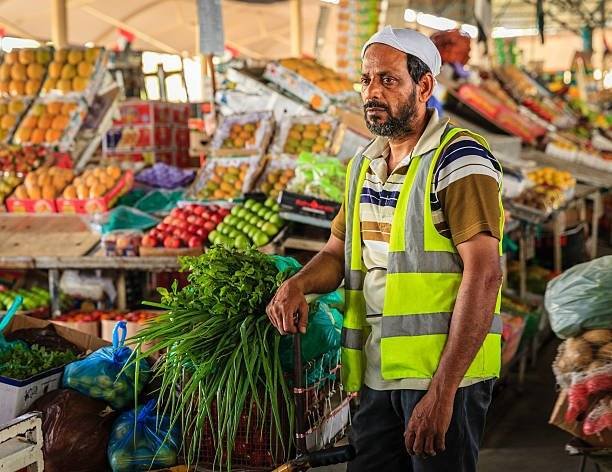
We all picture Dubai as a city of luxury and gold. Those high-end buildings touching skies and elite lifestyles are all we can think of. However, there is a place called Sonapur Dubai, which can change your perception of Dubai. This district is proof that Dubai is everything from glitz and glam to simplicity and town life. People usually don’t go there during vacation but if you want to explore Dubai in its deepest, purest form, we suggest visiting Sonapur.
- The Name and Location
- Facilities & Living Standards at a Glance
- A Hidden Economy That Runs Dubai
- The Dreams and Struggles
- The Food Heaven At Sonapur Dubai
- Contrasts That Define Dubai
- A City in the Shadows
- The Friday When Sonapur Comes to Life
- Will Sonapur Dubai Even See The Glory?
- FAQs About Sonapur Dubai
- Conclusion
The Name and Location
Sona means gold, and Sonapur earned its name from the very people who built Dubai’s fortune — the labourers who send their earnings home. This “city within the city” sits in eastern Dubai, officially known as Al Muhaisnah 2, close to major industrial zones like Al Quoz and Jebel Ali.
| Detail | Information |
|---|---|
| Official name | Al Muhaisnah 2 |
| Common name | Sonapur (“city of gold”) |
| Location | Eastern Dubai, near Al Quoz, Jebel Ali & Dubai Investment Park |
| Residents | Estimates range from roughly 90,000 to over 200,000 workers |
| Main communities | India, Pakistan, Bangladesh, Sri Lanka, Nepal, Philippines |
| Zone type | Mixed residential + commercial, largely labour accommodation |
The area houses both commercial buildings and dedicated labour accommodation blocks, where thousands of workers live day to day, keeping the wheels of Dubai’s construction and industrial sectors turning.
Facilities & Living Standards at a Glance
Life in Sonapur is basic but structured. Accommodation here is regulated by Dubai Municipality, which oversees hygiene, safety, and space standards through regular inspections — a key reason living conditions have steadily improved over the past decade.
| Facility | What’s Typically Available |
|---|---|
| Housing | Shared dormitory-style rooms, usually 4–8 people per room |
| Rent range | Roughly AED 1,000–2,500 per person per month (varies by camp and room size) |
| Prayer rooms | Standard in most camps |
| Dining | Shared kitchens and common dining halls |
| Recreation | Gyms, TV rooms, sports areas |
| Health & safety | First-aid rooms, fire safety measures, regular hygiene inspections |
| Transport | Shuttle buses connecting workers to industrial zones and job sites |
| Connectivity | Mobile networks widely available; Wi-Fi in select camps |
While conditions vary camp to camp, the overall standard has moved from the scrutiny of the early 2010s toward better-regulated, MOHRE-monitored housing.
A Hidden Economy That Runs Dubai
Unlike Downtown Dubai or Palm Jumeirah, Sonapur runs on a small, cash-based local economy built entirely around daily labour-class needs — not tourism or luxury retail.
What you’ll actually find here:
| Category | What’s Available |
|---|---|
| Food & groceries | Affordable South Asian restaurants, street food stalls, local grocery shops |
| Community spaces | Prayer rooms, common dining halls, recreation and TV rooms |
| Daily services | Money exchange counters, small pharmacies, mobile recharge shops |
| Transport | Shuttle buses connecting workers to industrial zones and job sites |
| Payments | Predominantly cash-based, small-scale local transactions |
Every skyscraper Dubai is known for exists because of the people who live here. Their labour built the Burj Khalifa and Dubai Marina — yet they remain largely invisible in the very city they constructed with their hands.
The Dreams and Struggles
Despite the 2012 scandal, Sonapur is a city of dreams and hopes. In 2012, the city dealt with a crisis where labourers were cut off from food and light and even forced to move to Sharjah camp. As the Sharjah camp was in poor conditions, labourers refused to move. This issue also raised concerns about human rights. The debate arises about how the labour class is being exploited in the UAE.
Despite the challenges, the place is an opportunity for the working class to earn money and send it back home. Though Dubai is seeing its glory, and the conditions are improving, still there is a lot that needs to be done. The place still deserves the right recognition and investment. However, the sense of community here is simply amazing. People from diverse communities who live here act as a solid family and support one another.
The Food Heaven At Sonapur Dubai
South Asian food is world famous. If you are a fan and want to taste some in Dubai, visit Sonapur. This place is home to some of the best and most affordable South Asian food. If you have that foodie’s urge to try authentic Pakistani, Indian, Bangladeshi, and Nepali dishes, the restaurants here are your place to go. One of the reasons the labour class is happy being here is because they get to eat food from home. This keeps them connected to the back yet motivated for what lies ahead.
Contrasts That Define Dubai
Dubai is a city of stories untold and secrets unfold. This place tells you that Dubai has a common side too. Unlike luxurious Palm Jumeirah or Dubai Downtown, Sonapur is a small part of the city. It shares its tales, history and secrets as much as other parts do.
A City in the Shadows
Well, the place gives the “other side of the tracks” vibe but is one of the most diverse places you can imagine in Dubai. Unlike other parts of UAE where you find most Western residents, this place is home to workers from India, Pakistan, Bangladesh, Nepal, Sri Lanka, and the Philippines. You will witness all Asian cultures in one place. Here, you hear laughs and chatter in Hindi, Urdu, Bengali, Tamil, Nepali, Tagalog, and Arabic. The community here is well-bonded. They play matches, dance to the same tunes and gather together for chats and talks. You see a lot of life here. A life that sees no boundaries but the urge to go on.
The Friday When Sonapur Comes to Life
Unlike many other parts of Dubai which come alive on weekends, you will see Sonapur coming to life on Friday, because it’s a day off for most workers. At day time, mosques are filled with worshippers, and at night and evening streets are filled with people who are enjoying their day off. At weekends, the hustling and bustling of this area is worth experiencing. People gathering, partying, chatting, sending money home — you get to see the spirit of the place. It feels surreal watching all these little life experiences happening right in front of you.
Will Sonapur Dubai Even See The Glory?
Well, despite the booming of everything in UAE, the labourer’s community is still not fully compensated. There is a chance for improvement in everything. From their wages to their residential places, a little boost will encourage these workers to do wonders. Dubai is making efforts to improve the situation. They are providing better housing, stricter labour laws, and corporate responsibility initiatives.
The labour camps that were once the talk of the town for bad conditions are now offered improved facilities, medical centres, and entertainment zones. Sonapur is the heart of Dubai’s transformation. People here deserve applause for transforming desert into a futuristic city. Though there is still a lot of work to do, there is hope too. Sonapur will see better initiatives and will earn the well-deserved dignity for those who call it home.
FAQs About Sonapur Dubai
Where is Sonapur located in Dubai?
Sonapur is officially known as Al Muhaisnah 2, located in eastern Dubai near Al Quoz, Jebel Ali, and Dubai Investment Park.
Why is it called Sonapur?
Sona means gold — the name reflects the aspirations of the workers who came here to earn a better future and send money home.
How many people live in Sonapur?
Estimates vary by source, with figures ranging from roughly 90,000 to over 200,000 residents, mostly from South Asian countries.
What is the rent for accommodation in Sonapur?
Room rent typically ranges between AED 1,000 and AED 2,500 per person per month, depending on the camp and room size.
Is Sonapur safe to visit?
Yes — it’s a functioning residential and commercial district. It isn’t set up for tourism, but it’s safe to explore, especially on Fridays when the community is most active.
What happened in Sonapur in 2012?
A widely reported crisis left labourers without food and electricity for a period, and plans to relocate them to a Sharjah camp were resisted due to poor conditions there. The incident drew significant attention to labour housing standards in the UAE.
What’s the best day to visit Sonapur?
Friday — it’s the weekly day off for most workers, so the streets, mosques, and food stalls are at their liveliest.
Conclusion
Sonapur matters because it’s where Dubai finds its foundation of glory and advancement. The labour class here is truly responsible for transforming the city into the magic we witness today. The place is a home to the labour class who call it a land of gold because it allows them to earn and send money back home. In return, we hope this labour class will find its true reward. The city may not be a good fit for a tourist postcard, but it makes Dubai a functional extravaganza city. Dubai shines because Sonapur burns!