The UAE is famous for its scorching summers. Extreme heat can affect your Mercedes engine more than you might think. High temperatures put extra stress on your car. This makes it more likely to overheat, break down oil, and reduce fuel efficiency.
- Impact of UAE Heat on Mercedes Engine Performance
- 1. Overheating Engine
- 2. Coolant Loss and Evaporation
- 3. Engine Oil Breaks Down Faster
- 4. Battery Strain
- 5. Reduced Fuel Efficiency
- 6. Tire Pressure Issues
- 7. Air Conditioning Strain
- 8. Turbocharger Stress (for turbo engines)
- 9. Rubber and Plastic Part Degradation
- 10. Sensor Malfunctions
- 11. Exhaust System Issues
- How to Protect Your Mercedes in the UAE Heat
- Conclusion
Knowing how heat affects your engine helps you protect your car. Common problems include overheating, coolant loss, and battery strain. Moreover, there may be reduced oil efficiency, tire pressure issues, and turbocharger stress. You may also face AC strain, sensor malfunctions, and exhaust system problems. Recognizing these issues early can help your Mercedes run smoothly.
Impact of UAE Heat on Mercedes Engine Performance
Here’s how the UAE’s hot weather affects Mercedes’ engine performance:
1. Overheating Engine
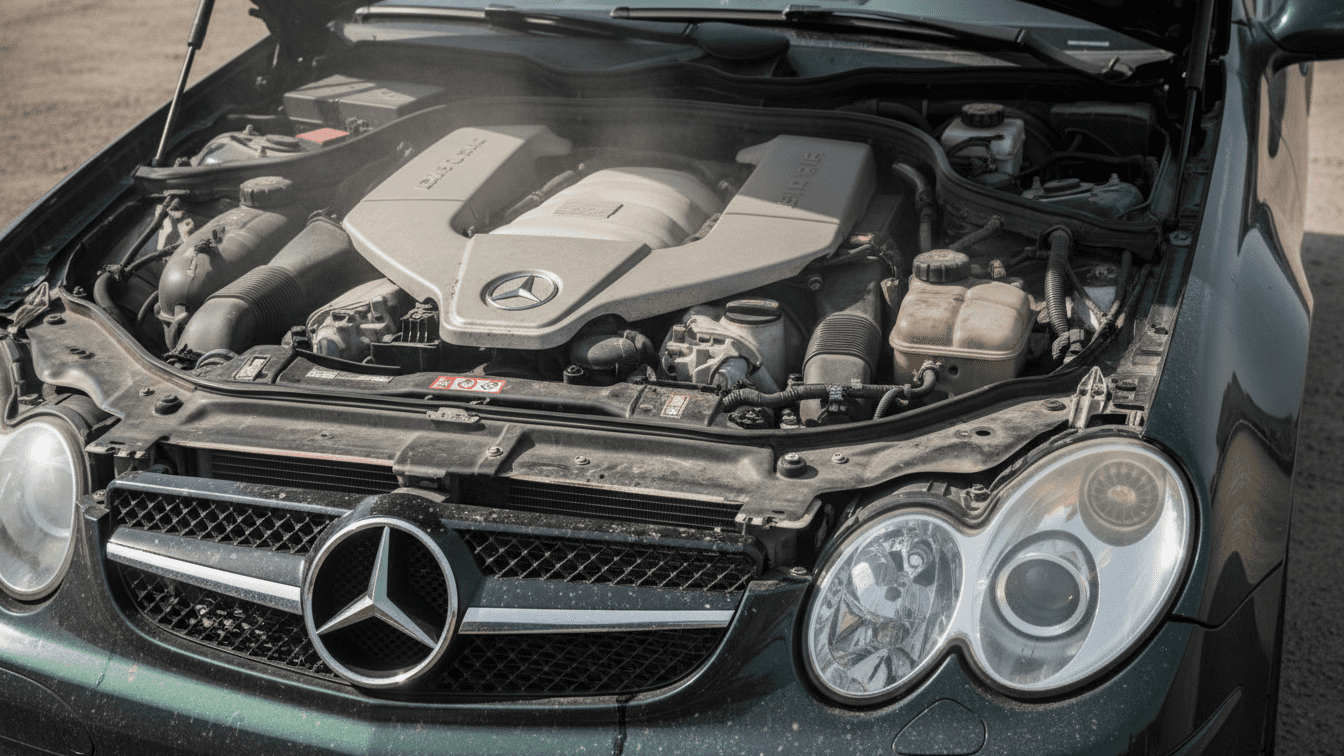
Extreme heat can cause your Mercedes engine to overheat quickly. High temperatures make it harder for the cooling system to keep the engine at a safe temperature.
Overheating can damage engine parts, lead to breakdowns, and reduce overall performance. It is important to check the coolant levels, radiator, and hoses regularly.
Visiting a Mercedes service center in Abu Dhabi can ensure your cooling system is working efficiently. Also, it prevents major engine issues.
2. Coolant Loss and Evaporation
The UAE heat can cause coolant to evaporate faster than normal. Low coolant levels reduce the engine’s ability to regulate temperature, increasing the risk of overheating.
Coolant also helps prevent corrosion inside the engine, so low levels can affect long-term performance. Regular checks and timely refills of coolant are essential, especially during the hottest months.
3. Engine Oil Breaks Down Faster
High temperatures affect engine oil performance. Heat can make oil thinner, reducing its ability to lubricate moving parts.
Poor lubrication increases friction, causing wear and tear and reducing engine life. Using the best oil type and changing it frequently helps protect your car’s engine.
4. Battery Strain
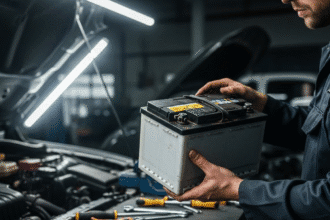
Heat can put extra stress on your car battery. High temperatures increase the rate of water evaporation inside the battery, reducing lifespan.
You may notice slow starts or dim lights as a result. Checking your battery regularly and keeping it clean ensures your Mercedes starts reliably, even in extreme heat.
5. Reduced Fuel Efficiency
Hot weather can reduce fuel efficiency in your Mercedes. Engines work harder to maintain performance, and air conditioning use adds extra load.
Heat can also affect fuel evaporation and combustion, causing higher fuel consumption. Monitoring fuel efficiency and keeping your engine well-maintained helps reduce unnecessary fuel costs.
6. Tire Pressure Issues
Extreme heat affects tire pressure, which indirectly impacts engine performance. Overinflated or underinflated tires can make the engine work harder and affect handling.
Checking tire pressure frequently and adjusting it according to the manufacturer’s recommendation ensures safe driving and better engine efficiency.
7. Air Conditioning Strain
High temperatures force your Mercedes’ air conditioning system to work harder. This extra load can strain the engine.
It can also reduce fuel efficiency and make the AC system wear out faster. Keeping the AC maintained and checking refrigerant levels regularly helps prevent these problems.
8. Turbocharger Stress (for turbo engines)
If your Mercedes has a turbocharged engine, extreme heat can increase turbo stress. Hot air entering the engine can reduce performance.
The turbo components may also wear out faster if cooling and oil flow are not maintained. Regular servicing and using the correct oil help protect the turbo system.
9. Rubber and Plastic Part Degradation
Heat can degrade rubber hoses, belts, and seals in the engine bay. Cracked hoses or belts can lead to leaks, overheating, or engine failure. Inspecting these parts frequently in hot months helps avoid unexpected breakdowns.
10. Sensor Malfunctions
Extreme heat can make engine sensors work improperly. This includes oxygen sensors, temperature sensors, and air intake sensors.
Malfunctioning sensors can cause a wrong fuel-air mixture or poor performance. Regular checks at a professional service center can prevent long-term damage.
11. Exhaust System Issues
High temperatures can increase the risk of overheating the exhaust system. Components like the catalytic converter and muffler can become stressed. This reduces efficiency and can sometimes trigger warning lights.
How to Protect Your Mercedes in the UAE Heat
Protecting your engine in extreme heat requires simple daily habits:
- Park in shaded areas or use sunshades
- Check coolant and oil levels regularly
- Inspect tires and battery frequently
- Avoid heavy loads and high-speed driving during peak heat
- Schedule regular inspections at a service center
These steps help maintain your car’s engine performance and longevity in the heat.
Conclusion
Extreme UAE Weather puts extra pressure on your Mercedes engine. It can cause overheating and affect coolant levels. The heat also reduces oil performance, strains the battery, lowers fuel efficiency, and changes tire pressure.
It is important to watch for warning signs. These include rising engine temperature, unusual noises, and reduced power. Regular checks and professional service keep your car safe and running well. By acting early, you can enjoy smooth and reliable driving even in harsh UAE conditions.