Mina Market, which is sometimes known as Meena Bazaar, is one of the most famous traditional markets in the United Arab Emirates, particularly in Bur Dubai, and Abu Dubai. It is a vibrant cultural and business centre where the South Asian and Middle Eastern trading culture converges- a place that is known for its textiles, jewellery, perfumes, spices, among others.
- Where is Mina Bazaar in the UAE?
- The Meena Bazaar: The Cultural Heritage
- The Reason Behind Culturally Significant
- Geographical and Business Environment in Dubai
- Markets Which are Part of Culture and History
- What Do They Have in Common with the Meena Bazaar of Dubai?
- The Social and Economic Significance of Mina Bazaar
- Possible Problems and Potentials
- The Remaining Heritage of Mina Marketplace in the UAE
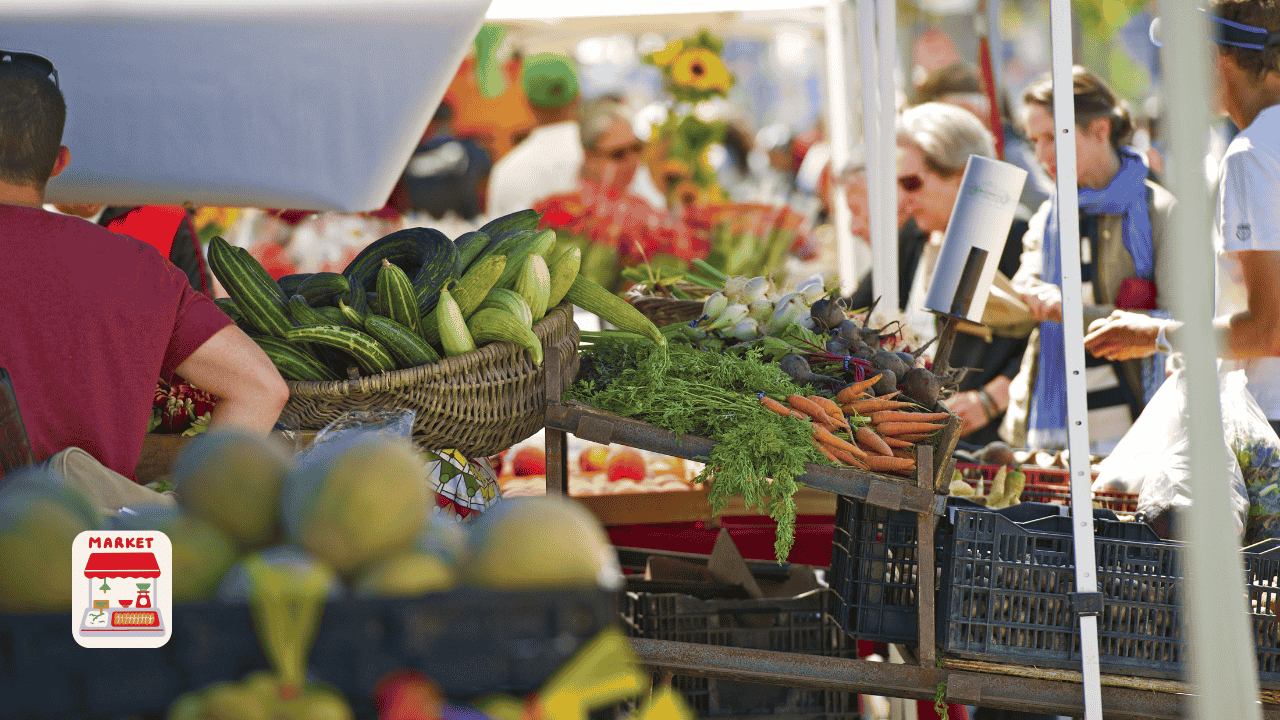
The importance of this market is not merely in the nature of goods sold, but in the functioning of this market as a cultural intermediary between the community of expatriates and the cosmopolitan. Of no less significance are the traditional markets in port and trade districts, such as Mina Zayed in Abu Dhabi, where fresh produce, fish, and household items are exchanged, which capture the day-to-day Emirati and expatriate trade.
All these locations together represent the transferring retail and cultural environment of the Arab Emirates. the environment that unites the traditional and the modern business.
Where is Mina Bazaar in the UAE?
Meena Bazaar is among the oldest and most vibrant traditional shopping areas in Dubai, found in the centre of Bur Dubai (in and around the Al Fahidi Street and Al Gubaiba Street). The locals and tourists alike tend to call the area just as Meena Bazaar or, at times, Mina Bazaar; the two terms are used interchangeably by the locals and in the tourist guidebooks.
In contrast to modern malls having a well-planned design, Meena market is a maze of small passages and tiny stores selling an incredible array of products that includes:
- Clothing and traditional: People get garments, sarees, salwar kameez, embroidery fabric, wedding clothes, and other South Asian attire.
- Jewellery Sealant gold, silver, and counterfeits, of designs finer and more ornate than the cordials, and of designs richly decorative in style.
- Perfumes and attars: It is famous for local Arabian perfumes and global brands.
- Spices and accessories: The best things are aromatic spices, incense, accessories, and artefacts.
- Electronics and accessories: The devices and other small technical products, frequently at competitive prices, are one of the most popular things.
Over the decades, this market has been serviced not only by local Emiratis but also by a huge mass of expatriates in South Asia (India, Pakistan, Bangladesh, Nepal) and other regions, becoming known as a cultural meeting point where tastes, traditions, and commerce meet.
The Meena Bazaar: The Cultural Heritage
Mina market Abu Dhabi has a historical background in South Asian culture. These markets were special markets commonly related to festivals or the trade of women in the Mughal period in the Indian subcontinent, of luxury items, textiles, and crafts.
The original Dubai Meena Bazaar is not a market that is exclusively segmented as a women-only market, yet it is called as such, which creates the sense of vibrancy and diversity as well as a festive shopping experience that incorporates numerous cultural aspects.
The Reason Behind Culturally Significant
It embodies the South Asian heritage of the UAE – most of the traders in Meena bazars are South Asians, and the merchandising mix is much oriented to Indian, Pakistani, and Bangladeshi cultures.
- The proximity of the market to the Dubai Creek and its historical areas relates to the traditional trade history of the UAE and its currently developed cosmopolitan locations.
- Local and visitors perceive Meena marketplace as a destination where they will get a taste of the authentic cultural experience, bargaining, and trying the local snacks and street food in the surrounding lanes.
The area is commonly known by visitors as the Little India of Dubai, a term which emphasizes its diversity of intercultural presence and attracts tourists who seek a more traditional shopping experience than is provided by large malls.
Geographical and Business Environment in Dubai
It is located in the historic centre of Bur Dubai, which is near Al Fahidi fort and the Dubai museum area, and therefore it is an ideal venue both as a cultural tourist destination and as a day-to-day commercial establishment.
How It Works
The bazaar is not a single and closed shopping mall, but it is a complex of lanes and streets with many independent stores that have developed over the decades. This makes it bazaar-like – active vendor-based spaces, bargaining ethic, and a combination of an old-world ourselvesness and a new-world business.
As compared to commercial malls of high-end, it survives on:
- Not a fixed price, but through bargaining, competitive pricing.
- A blend of old and modern items, which will be attractive to the people and expatriates.
- Smaller retail areas of operation, consisting of entrepreneurs and family stores.
Outside the Meena Bazaar in Dubai, there are other markets in the UAE that are better described as Mina (port in Arabic) – frequently centered around seaports as they expanded.
Markets Which are Part of Culture and History
Within the area of Abu Dhabi, there are a few traditional markets, some of which include:
- Al Mina Fruit and Vegetable Market: A busy shopping center dealing with fresh products.
- Meena Zayed Fish Market: It is a well-known fresh fish trading complex of dozens of stalls and processing facilities.
- Date and Carpet Markets: The traditional souks where dates, carpets, and so on are sold.
These markets are based on the early emergence of the port economy in Abu Dhabi, where generations of fishermen, farmers, and traders have been selling the harvest and products.
What Do They Have in Common with the Meena Bazaar of Dubai?
Here are a few things that are common in the Meena marketplace:
- Trade backgrounds: Both have their historical origins in older trades that were already in operation prior to the emergence of modern malls and supermarkets.
- Cultural diversity: Mina Zayed markets, similar to Meena Bazaar, serve the interests of a wide variety of communities, combining the shopping habits of Emirati and expatriates.
- Market experience: Fresh produce, direct business, and bargaining culture are recurrent aspects in these markets within the UAE.
These market systems will constitute the pre-industrial trade infrastructure of the UAE that has not been lost in the modern world, being relevant even in a globalised retail environment.
The Social and Economic Significance of Mina Bazaar
For Expatriate Communities
This bazaar is not just a shopping district to the workers and families in South Asian countries; it is also the cultural anchor. Most of its products bring expatriates back home (traditional clothing, spices, jewelry styles), which makes them feel a connection and, therefore, feel comfortable in a foreign land.
Support of Small Business
The marketplace helps the small businesses, most of which are family-run and depend on foot traffic and customer returning, rather than on internet presence and leasing of malls. This enables entrepreneurship under flexible conditions, which is important to the immigrant communities.
Tourism and Local Culture
It is a traditional area frequented by tourists who want to experience authentic UAE experiences outside skyscrapers and malls, which will add to the cultural tourism presence in Dubai.
Possible Problems and Potentials
Here are some of the potential challenges that these marketplaces faced:
Competition with Malls
Large-scale shopping centers such as Dubai Mall and Mall of the Emirates also serve another segment of the shopping population, and tend to shift their money towards the old-fashioned bazaars. It is a place of authenticity, however. There is a strong competition.
Market Control and Verisimilitude
Some purchase items due to issues of authenticity (e.g., perfumes or brands) because of the lack of regulation in small stores. It needs to be carefully checked, and the awareness of the consumers needs to be raised.
Preservation of Culture
The pressure of urban development threatens to degrade the traditional markets unless the local governments specifically preserve them as heritage commerce areas.
Digital Opportunities
Digital markets with exhibitions of Meena Bazar sellers to international clients, particularly the diaspora of South Asians, have the potential to expand and establish new modes of commerce.
The Remaining Heritage of Mina Marketplace in the UAE
It can be found all through the lanes of Meena Bazaar in Dubai or the ancient trading areas of Mina Zayed in Abu Dhabi. Mina markets are the pulse of daily trade in the urban environment of the UAE. Be it textiles and jewellery or fresh produce and fish, these markets maintain cultural purity. They can act as an economic lifeline to communities, and in particular, the expatriate communities of South Asians.
Mina Bazaar is a breath of life, it is a living market where there is no bargaining, but a tradition, where variety is placed in the daily life, and where history coexists with modernity.