You park your car outside for a few hours in Dubai’s summer sun. When you return, the interior feels like an oven, the steering wheel burns your hands, and you wonder how any component survives this heat day after day. The dashboard can reach 90°C. Engine bays climb past 100°C. Metal surfaces become too hot to touch.
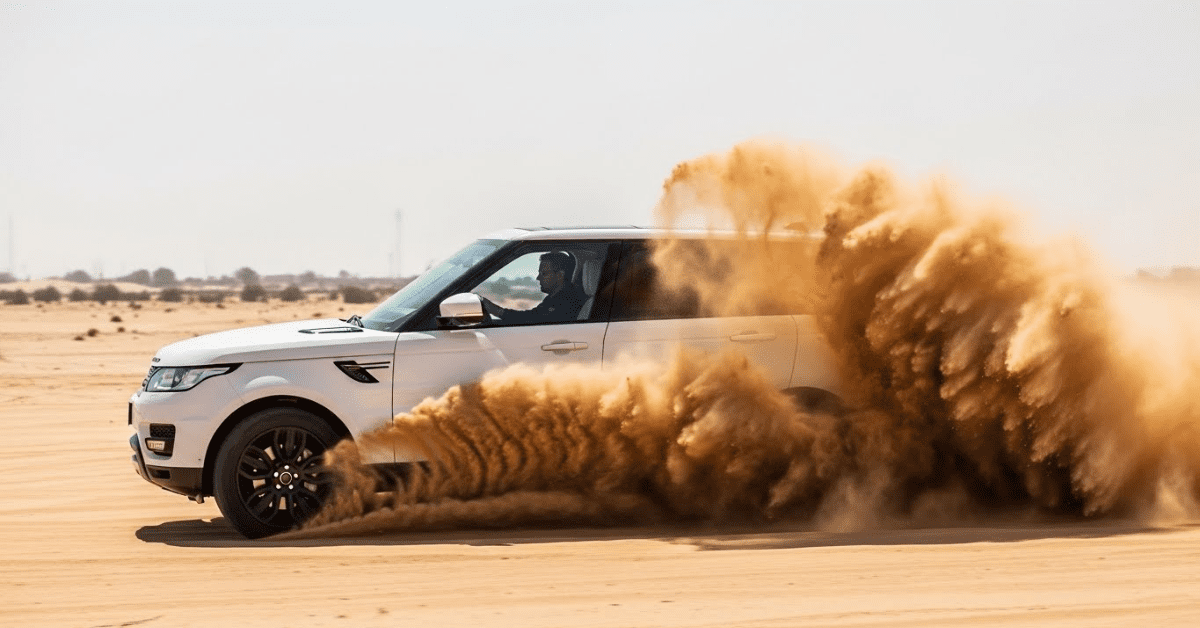
Your car wasn’t designed to sit idle in these conditions. Most vehicles are engineered for temperate climates where 30°C is considered a hot day. But Dubai regularly hits 50°C in summer, and that changes everything about how automotive technology needs to work.
Why Standard Components Fail in Desert Heat
Most car manufacturers design vehicles for global markets. They test in various conditions, but the engineering priorities reflect average climates. Europe, North America, and East Asia, where most cars are designed, rarely experience sustained temperatures above 40°C.
Desert heat doesn’t just make things uncomfortable. It fundamentally alters how materials behave.
- Plastics become brittle and crack.
- Rubber seals dry out and lose flexibility.
- Electrical connections expand and contract, creating resistance points.
- Fluids break down faster.
- Battery chemistry accelerates, shortening lifespan.
Standard car batteries, for example, are designed to last 4-5 years in moderate climates. In the UAE, that drops to 2-3 years without heat-resistant technology. The same pattern repeats across almost every component exposed to extreme temperatures.
Critical Systems That Need Heat Protection
Battery Technology
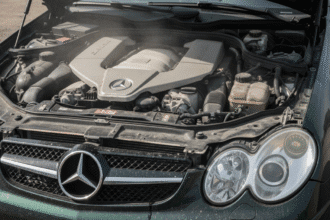
Your battery faces the harshest conditions under the hood. Summer engine bay temperatures in Dubai can exceed 120°C during operation.
Standard lead-acid batteries lose about 50% of their capacity at these temperatures. The heat accelerates the chemical reactions inside, causing faster self-discharge and internal degradation. This is why you see so many roadside breakdowns during peak summer months.
Modern heat-resistant batteries use different engineering approaches. AGM (Absorbed Glass Mat) technology keeps the electrolyte suspended in fiberglass mats rather than free-flowing liquid. This reduces internal resistance and handles heat cycling better.
Enhanced Flooded Batteries (EFB) use thicker plates and improved separators. They resist the sulfation that heat causes when batteries partially discharge repeatedly in stop-start traffic.
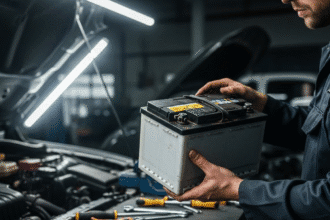
A quality Varta car battery designed for extreme climates includes thermal management features: heat-resistant case materials, improved venting systems, and alloy formulations that maintain performance above 60°C.
These modifications can extend battery life by 40-50% compared to standard options. The cost difference is AED 150-300, but you avoid premature replacement and breakdown risks.
Cooling System Engineering
Your cooling system works harder in one Dubai summer than most cars experience in years of normal use. Standard radiators and hoses face constant thermal stress. The coolant circulates at 90-100°C, but ambient temperatures of 50°C mean less efficient heat transfer. The system runs at maximum capacity for months.
Heat-resistant solutions include:
- Upgraded radiator cores with increased fin density for better heat dissipation
- Silicone-based hoses that maintain flexibility up to 200°C (standard rubber fails at 150°C)
- High-performance coolants with corrosion inhibitors that remain stable at extreme temperatures
- Auxiliary fans that activate earlier to prevent heat buildup in traffic
These modifications cost AED 800-1,500 during installation but prevent the AED 3,000-5,000 expense of engine damage from overheating.
Electrical System Protection
Heat causes electrical resistance to increase. Every connection point, wire, and component generates more heat as resistance rises, creating a destructive cycle.
Modern heat-resistant wiring uses insulation rated for 150°C continuous exposure. Standard automotive wire is rated for 80-100°C. The difference matters when wiring runs along hot engine surfaces or through unventilated spaces.
Fuse boxes in engine bays now use thermal-resistant plastics that don’t warp at high temperatures. Relay contacts use better alloys that resist oxidation in hot, dusty conditions. ECU (Engine Control Unit) housings include heat sinks and improved sealing to protect sensitive electronics.
These computers control everything from fuel injection to transmission, and they’re increasingly vulnerable as vehicles become more electronic.
Material Science Solutions
Interior Components
Your dashboard and door panels face direct sunlight for hours daily. Surface temperatures can reach 90°C, degrading standard plastics within 2-3 years.
Heat-resistant interior materials use:
- UV-stabilized plastics with additives that prevent molecular breakdown from sun exposure
- Thermal-reflective pigments in dark surfaces that reduce heat absorption by 15-20%
- Modified vinyl and leather treatments that prevent cracking and fading
Quality manufacturers now use materials tested to withstand 100,000 hours of UV exposure without significant degradation. Standard materials show damage after 20,000-30,000 hours.
Underbody Protection
The road surface in Dubai can reach 70°C during peak summer. Your car’s underbody components, fuel lines, brake lines, and exhaust system face this heat from below while receiving radiant heat from the engine above.
Heat-resistant underbody coatings provide thermal barriers. They’re ceramic-based compounds that reflect heat rather than absorbing it. This keeps components 20-30°C cooler than unprotected surfaces. Fuel lines now use specialized rubbers that resist vapor lock, when fuel vaporizes in the line before reaching the engine. This causes rough running or stalling in extreme heat.
Brake fluid reservoirs use heat-resistant plastics and are positioned away from exhaust components. Brake fluid boils at high temperatures, and once it boils, your brakes fail. Heat-resistant fluids have boiling points of 260°C or higher, compared to 200°C for standard fluids.
Fluid Technology Advances
Engine Oil Performance
Oil breaks down faster at high temperatures. The molecular chains that provide lubrication literally come apart under heat stress.
Synthetic oils use engineered molecules that resist thermal breakdown. They maintain viscosity at both high and low temperatures, crucial for Dubai’s 30°C temperature swings between night and day. Full synthetic oils remain stable up to 150°C oil temperatures. Semi-synthetic breaks down around 130°C. Standard mineral oil starts degrading at 110°C.
The practical difference? Change intervals drop from 10,000 km to 5,000 km with standard oil in extreme heat. Synthetic oils maintain their 10,000 km interval even in harsh conditions.
Cost comparison: Standard oil change costs AED 150-200. Synthetic costs AED 250-350. But you’re changing oil half as often, saving money while protecting your engine better.
Transmission Fluid
Automatic transmissions generate significant heat during operation. Add 50°C ambient temperatures, and internal temperatures can exceed 120°C. Every 10°C increase above 100°C cuts transmission fluid life in half. At 120°C, fluid that should last 80,000 km degrades after 20,000 km.
Heat-resistant ATF (Automatic Transmission Fluid) uses synthetic base stocks with enhanced additive packages. These fluids maintain viscosity and friction characteristics at high temperatures, preventing the slipping and rough shifts that indicate transmission wear.
External transmission coolers add another layer of protection. They cost AED 400-800 installed and can lower transmission temperatures by 15-20°C, dramatically extending component life.
Practical Implementation Steps
You don’t need to upgrade everything at once. Prioritize based on your vehicle’s age and condition.
Immediate priorities (within next service):
- Switch to fully synthetic engine oil
- Upgrade to heat-resistant coolant
- Inspect battery condition and replace if over 2 years old
- Check all rubber hoses for cracking or stiffness
Medium-term upgrades (within 6-12 months):
- Install auxiliary cooling fan if not equipped
- Add a transmission cooler for automatic transmissions
- Apply ceramic underbody coating
- Upgrade the cabin air filter to one with activated carbon for dust protection
Long-term investments (during major service or repair):
- Replace the radiator with a high-capacity unit when due
- Upgrade to a heat-resistant battery at the next replacement
- Consider ceramic window tinting to reduce interior heat (legal limits apply)
Cost vs. Value Analysis
The total investment for comprehensive heat protection ranges from AED 2,000-5,000, depending on your vehicle. This might seem expensive until you compare it against the alternative. Engine replacement from heat damage: AED 15,000-30,000. Transmission rebuild: AED 8,000-15,000. Electrical system repairs: AED 2,000-8,000.
More importantly, these upgrades reduce the daily stress of wondering whether your car will start after sitting in the sun or whether it will overheat in traffic. Your car becomes more reliable. Resale value improves because buyers recognize vehicles with documented heat protection maintenance. And you spend less time dealing with breakdowns and repairs.
Looking Ahead
Your car will face another summer. And another. The heat doesn’t get easier on components; it accumulates damage over time. Heat-resistant technology isn’t about preventing every possible issue. It’s about giving your vehicle a fighting chance against conditions it wasn’t originally designed to handle.
Engineering exists to solve these problems. Using it just makes sense when you’re dealing with one of the harshest automotive environments on Earth.
Start with the basics: synthetic fluids and a quality heat-resistant battery. These two changes alone will transform how your car handles desert conditions. Everything else builds from there, creating a vehicle that’s genuinely ready for Dubai’s climate rather than just surviving it.