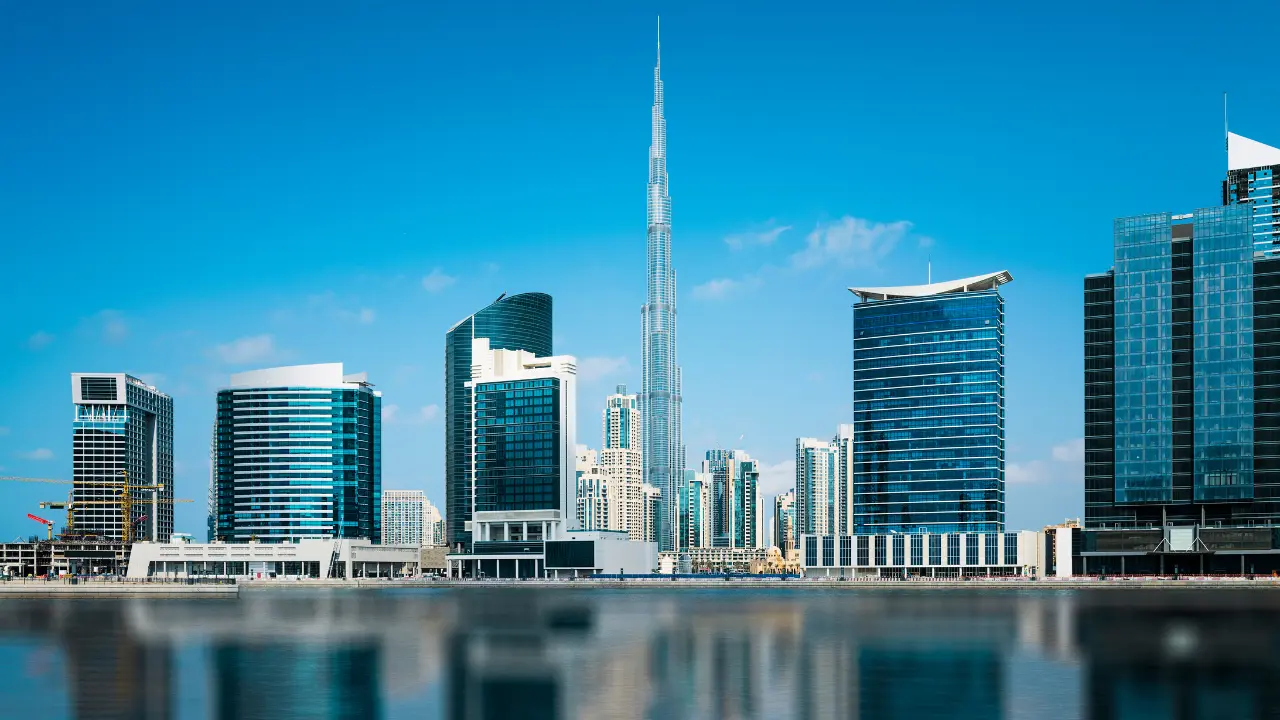
Most articles about Dubai tell you the same things. Visit the Burj Khalifa. Shop at the Dubai Mall. Take a desert safari. Go to Jumeirah Beach. All of it is worth doing. Nobody is telling you to skip the Burj Khalifa. But if that is all you do, you will leave having seen the tourist version of a city that has a great deal more to offer than its most photographed corners.
This is the guide for the version of Dubai that does not appear in the brochure. The places where residents actually spend time. The things worth knowing before you arrive that most travel content leaves out. And one piece of practical advice at the end that will save you a significant amount of stress if you act on it before you book anything.
The Dubai that most visitors miss entirely
Al Fahidi Historical Neighbourhood sits in a part of the city that most tourists drive past on their way to Downtown Dubai. It is one of the few places where you can see what Dubai looked like before the skyline arrived: narrow lanes, wind towers, courtyard houses, and the kind of quiet that feels genuinely out of place in a city moving at this speed. The Dubai Museum is here. So is the XVA Art Hotel, which is worth a visit even if you are not staying there.
Deira is the other side of the creek and the most overlooked part of the city among first-time visitors. The Gold Souk and the Spice Souk are well known, but fewer people walk ten minutes further into the streets around Naif Road where the city has a different texture entirely. Small restaurants, fabric shops, fishermen, the kind of market chaos that feels organic rather than designed for a photo opportunity. Dubai Creek itself is worth crossing by abra the traditional wooden water taxis that run between Bur Dubai and Deira for a single dirham. One of the best things to do in Dubai and almost no one mentions it.
Dubai Frame is an underrated attraction that gets far less attention than it deserves. It is exactly what the name suggests: a giant picture frame straddling the border between old Dubai and new Dubai, with a glass walkway at the top that gives you the two faces of the city simultaneously. Far fewer crowds than the Burj Khalifa and a view that makes a genuinely compelling argument about how much this place has changed in fifty years.
Where to eat when you are tired of the obvious choices
Dubai has more restaurant options per square kilometre than almost any city in the world and most travel guides point people toward the same hotel restaurants and waterfront views. The real food in this city is in the smaller, less photogenic places that do not have a social media presence worth mentioning.
Ravi Restaurant in Satwa has been open since 1978 and serves Pakistani cuisine that most people who live in Dubai will tell you is some of the best food in the city. It is cash only, the decor is minimal and there is frequently a queue. Go anyway. Al Ustad Special Kabab in Deira has been operating since 1978 as well and has a similar reputation among people who actually live here. Both are the kind of places that do not advertise because they have never needed to.
For the experience of watching Dubai do what it genuinely does better than anywhere else in the world, a rooftop at sunset on the right evening Atmosphere at the Burj Khalifa, or the rooftop at the Address Sky View is still worth doing once. Just plan it rather than assuming a table will be available on arrival.
The practical things that people get wrong
The heat is not a minor inconvenience. Between June and September the temperature regularly reaches 40 degrees Celsius or above and the humidity on the coast makes it feel considerably worse. Planning outdoor activities for the morning, moving indoors during the middle of the day and returning outside in the late afternoon is not precious; it is the only sensible way to move through the city during summer. The malls and the Metro are heavily air-conditioned and work well as midday refuges.
Getting between areas of the city by walking is rarely practical. The distances are significant and the heat makes it worse. The Metro works well for the main tourist corridor. For everything else, Careem and Uber are both reliable and cheaper than the equivalent taxi ride in most European cities.
Tipping is not mandatory in Dubai but it is expected in restaurants, hotels and by taxi drivers. Ten percent in a restaurant is standard. Rounding up a taxi fare is common. Neither will cause a problem if you forget.
One thing to sort before you arrive and the earlier the better
If your nationality requires a pre-approved UAE visit visa, the single most useful thing you can do is apply for it before you book anything else. Not because the process is complicated it is entirely online and most applications are approved within 1 to 3 working days but because having the visa confirmed before the flights and hotels are booked removes a category of stress from the trip planning entirely. You can apply for a UAE visit visa through govr.ae, a licensed UAE visa platform that processes applications through official UAE immigration channels. All visa types are covered including 14-day, 30-day and 60-day options, and your approved e-visa arrives by email.
One rule that changed in 2026 and catches people off guard: the UAE visa grace period no longer exists. If your visa expires while you are in the country, fines begin at AED 50 per day from the first day after expiry. There is no buffer. Apply for an extension before it expires or apply for a new visa with enough validity to cover your full stay through govr.ae. It is a simple thing to get right and a genuinely unpleasant thing to get wrong.
What Dubai actually is when you look past the obvious version of it
Dubai is legitimately one of the most interesting cities in the world and it is interesting in ways that the postcard version does not fully communicate. The scale is real. The ambition is real. The speed of change is real. But so is the creek at dusk, the abra crossing, the old neighbourhood in Al Fahidi, and the restaurant that has been serving the same menu to the same regulars since before the skyline existed.
The city rewards the people who look past the first layer of it. That is true of most places worth visiting. It is especially true of Dubai.