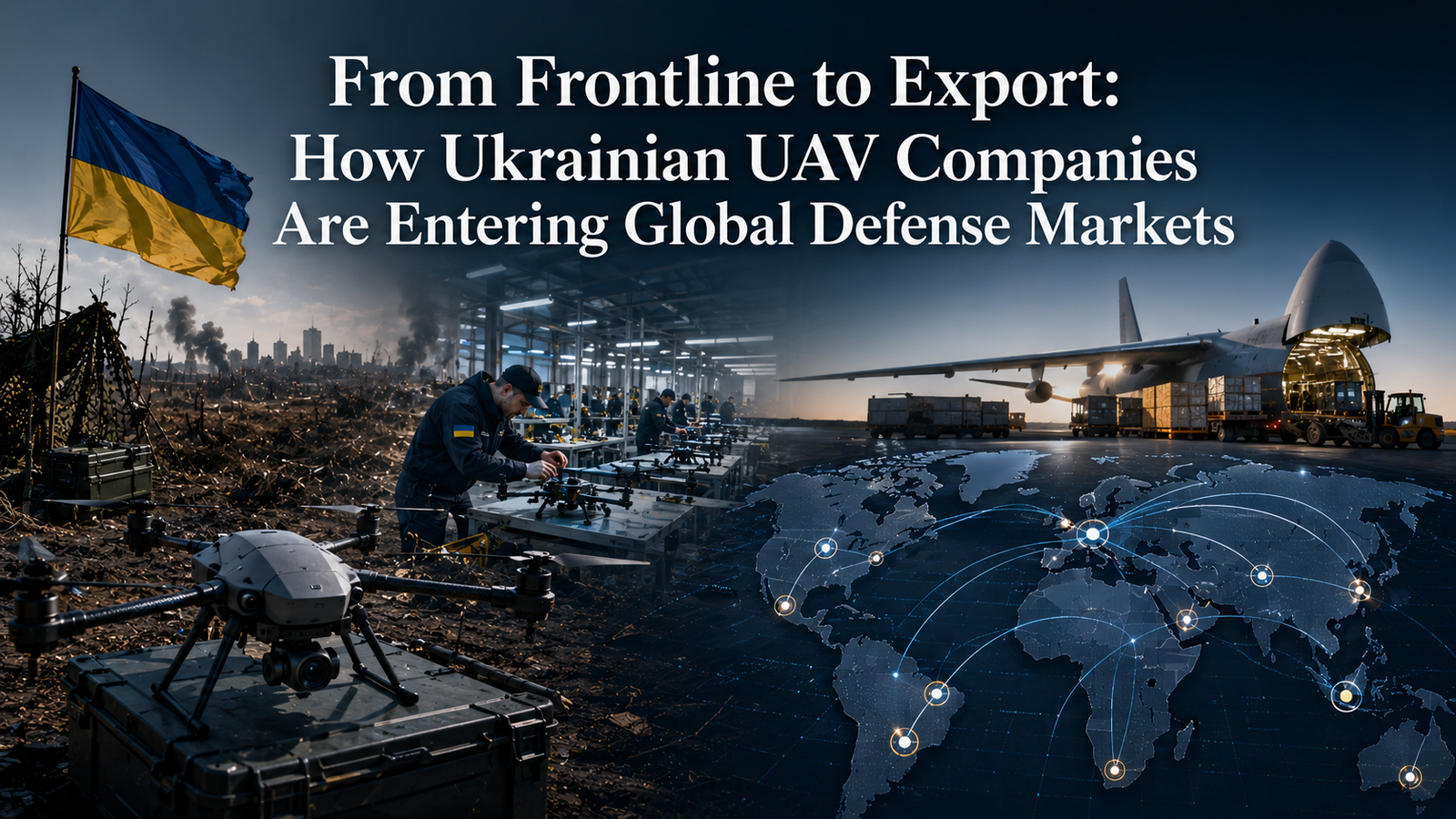
The skies over the modern battlefield have changed permanently. Military strategists in the UAE and Qatar observe this transformation with interest, as technology developed under the pressure of real-time conflict offers capabilities that traditional military industrial complexes struggle to match. Digital hubs like SkyCraft , showcase how agility defines the new era of defense acquisition. These systems survive intense electronic warfare environments, making them uniquely attractive for regional security requirements in the Persian Gulf.
The Value of Real-World Testing
Conflict acts as a brutal but effective filter for technology. Equipment that fails in the field disappears from production logs within weeks. Surviving systems improve and evolve. This rapid iteration cycle provides a significant advantage over designs that have only seen testing ranges. Gulf defense planners seek exactly this pedigree because it guarantees performance under stress. Buyers are tired of glossy brochures that hide technical shortcomings. They want hardware that functions when signals get jammed and the temperature hits fifty degrees Celsius.
The primary drivers for regional interest include:
- Resilience against sophisticated electronic jamming.
- Ease of operator training in diverse terrains.
- Cost efficiency compared to traditional aircraft.
These drones provide a defensive layer against low-cost attack systems that currently overwhelm expensive missile defense platforms. By integrating these solutions, nations can protect critical infrastructure without depleting their primary interceptor stockpiles. It creates a tactical advantage that many regional commanders recognize as a defensive necessity.
Scaling for International Defense
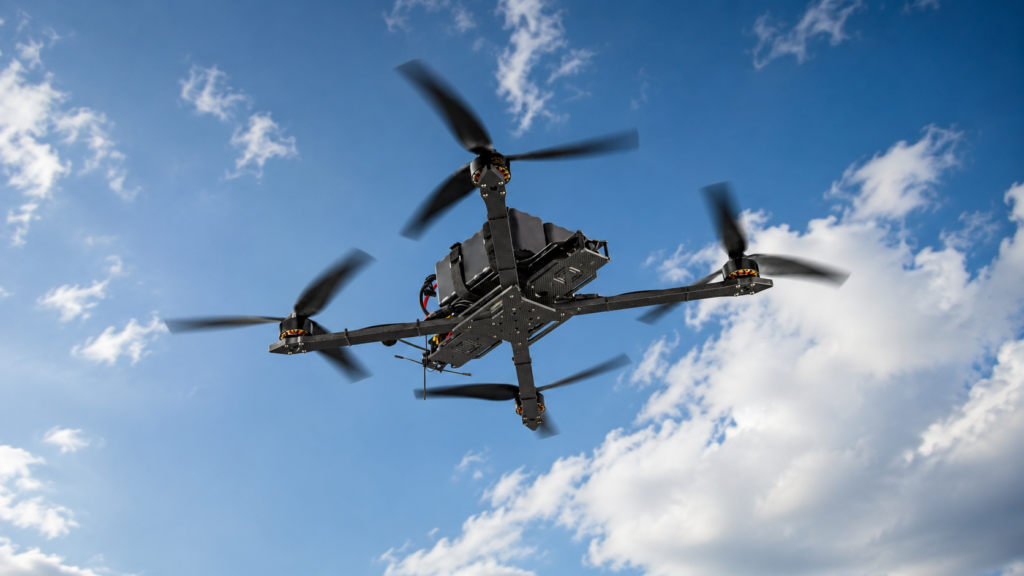
Transitioning from small-batch production to international export involves massive logistical shifts. Manufacturers must balance innovation with standardized production lines. A company such as SkyCraft exemplifies this shift by maintaining high quality while expanding capacity to meet foreign government requests. They understand that international partners demand predictable supply chains and clear technical documentation.
The Ukrainian defense sector has moved beyond a local necessity to become a potential global supplier. Recent legislative frameworks and joint-venture initiatives are paving the way for the localized production and controlled export of drone technology and electronic warfare platforms. This policy shift enables:
- Joint production agreements with foreign allies.
- Technology transfers for local manufacturing.
- Collaboration on long-term research and development.
Government support now creates a path for companies to export systems that have proven their worth against large-scale drone barrages. This ecosystem benefits both the buyer and the developer, as export revenue funds further innovation on the front lines. The result is a cycle where global demand accelerates the technical maturity of the product.
Evaluating Future Partnerships
Buying into this technology requires looking beyond the brochure. A decision-maker needs to focus on specific operational markers before committing to an acquisition strategy. The goal is to avoid obsolescence, which hits defense budgets harder than almost any other line item.
Key evaluation criteria for defense procurement include:
- Maintenance protocols for local technicians.
- Integration capabilities with current defense networks.
- Software update frequency based on ongoing combat data.
Future defense architecture rests on modularity and speed. The Ukrainian approach to drone warfare provides a blueprint for nations aiming to modernize their security posture quickly. Those who engage with these developers now position themselves at the head of a shifting tactical landscape. Early integration of this combat-proven technology into existing defense architectures offers distinct tactical advantages for proactive military planners.