Factory safety has become a top priority for manufacturers in Dubai as industrial operations grow larger, faster, and more automated. With increasing production demands and strict safety expectations across free zones and industrial parks, traditional surveillance and manual monitoring are no longer enough.
- 1. Real-Time Detection of Safety Violations
- 2. Reduced Downtime Through Faster Incident Response
- 3. Centralized Monitoring Across Multiple Locations
- 4. Automated Tracking of People and Vehicles
- 5. Improved Compliance With Safety Regulations
- 6. Visual Floor Plan Mapping for Better Safety Oversight
- 7. Training and Continuous Improvement Using Real Footage
- FAQs
- Conclusion
According to a 2023 International Labour Organization report, workplace accidents in industrial environments account for over 20 percent of serious occupational injuries worldwide, many caused by unsafe behavior, unauthorized access, or delayed response.
1. Real-Time Detection of Safety Violations
One of the biggest advantages of an AI manufacturing security system is its ability to detect unsafe behavior as it happens. AI-driven video analytics can identify workers entering restricted zones, ignoring safety barriers, or operating machinery improperly.
Instead of relying on supervisors to notice issues manually, AI systems trigger alerts within seconds. This real-time detection helps prevent accidents before they escalate into serious injuries or production shutdowns. In Dubai’s fast-moving manufacturing sector, even a few minutes of delayed response can lead to significant losses.
2. Reduced Downtime Through Faster Incident Response
Unplanned downtime is one of the most expensive problems for manufacturers. A study by Siemens estimates that industrial downtime costs manufacturers between 5 and 20 percent of total production capacity annually.
AI manufacturing security systems help reduce downtime by immediately flagging incidents such as unauthorized access, equipment misuse, or vehicle movement in unsafe areas. For example, platforms like Coram are often used as a manufacturing security system to prevent costly downtime by combining instant threat detection with alerts for safety non-adherence. Faster alerts allow security teams to respond before issues disrupt operations.
3. Centralized Monitoring Across Multiple Locations
Many manufacturers in Dubai operate across multiple facilities, warehouses, or production sites. Managing safety across these locations manually is complex and time-consuming.
Modern AI systems offer centralized, cloud-based monitoring. Using one dashboard, security teams can view live feeds, alerts, and activity across all sites. Coram’s manufacturing security solutions, for example, integrate with existing IP camera systems and allow remote management across multiple locations, making it easier to maintain consistent safety standards.
This centralized visibility is especially valuable for manufacturers operating in Jebel Ali Free Zone or Dubai Industrial City, where facilities may be spread across large areas.
4. Automated Tracking of People and Vehicles
This systems automatically track individuals and vehicles throughout a facility. This capability helps identify unsafe interactions between workers and heavy machinery or vehicles moving too close to pedestrian zones.
Vehicle-proximity alerts and movement tracking reduce the risk of collisions, one of the leading causes of serious injuries in factories. Automatic tracking also supports post-incident investigations by showing where individuals or vehicles were at specific times, removing guesswork from safety reviews.
5. Improved Compliance With Safety Regulations
Dubai manufacturers must follow strict safety and labor regulations aligned with UAE standards and international best practices. AI security systems help enforce compliance by monitoring behavior consistently, without fatigue or bias.
Features like facial recognition, license plate reading, and access tracking help ensure only authorized personnel enter sensitive areas. When safety rules are violated, the system records clear video evidence. This not only helps with internal audits but also demonstrates compliance during inspections or insurance reviews.
6. Visual Floor Plan Mapping for Better Safety Oversight
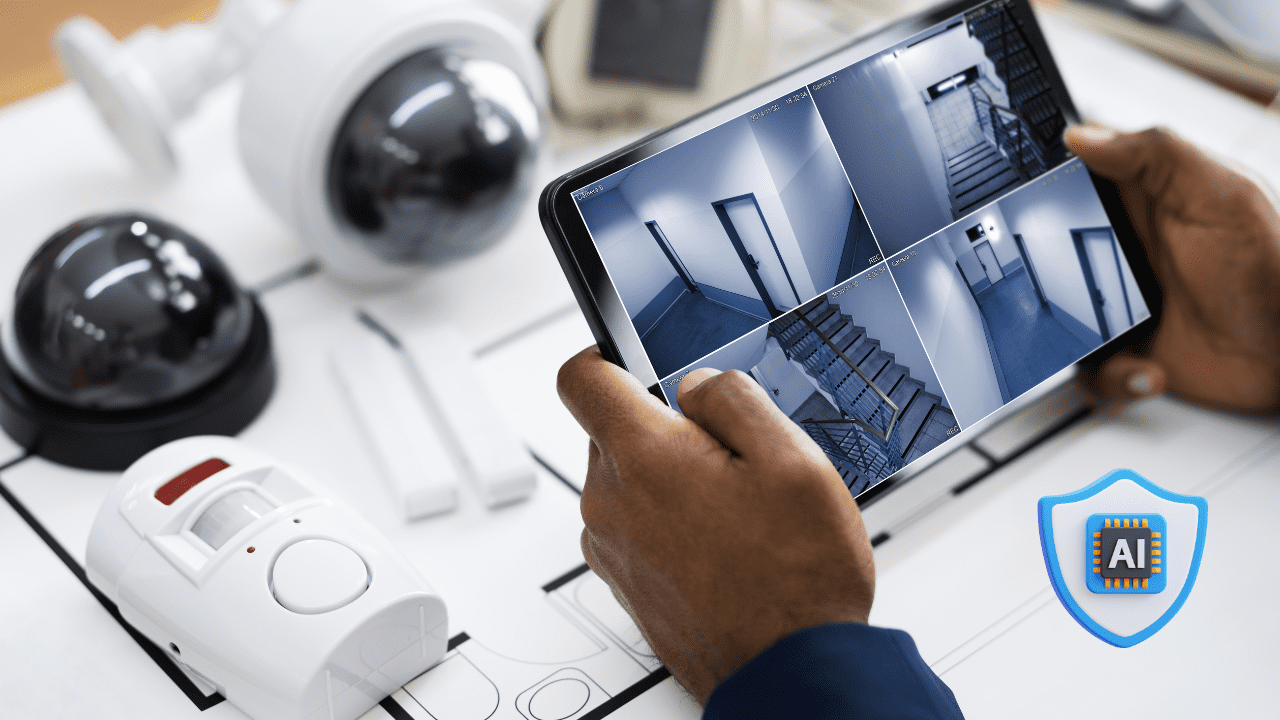
Understanding camera coverage and blind spots is critical for factory safety. This security systems now include floor plan mapping tools that provide a visual layout of the facility.
These maps show exactly where cameras are placed, which areas are covered, and where additional coverage may be needed. Automated responses can be linked to specific zones, such as triggering alerts if someone enters a hazardous area. This visual clarity helps safety managers make informed decisions and quickly address coverage gaps.
7. Training and Continuous Improvement Using Real Footage
AI security systems do more than detect problems. They also help prevent future incidents through better training. Recorded footage of real-world safety violations can be used to educate workers and supervisors.
Instead of relying on generic training materials, manufacturers can show actual examples of non-compliance from their own facilities. This approach makes safety training more relevant and effective. AI-driven analytics also reveal patterns over time, helping management identify recurring risks and improve safety procedures.
FAQs
What is an AI manufacturing security system?
It is a security solution that uses artificial intelligence with video cameras to detect threats, safety violations, and suspicious behavior in real time.
Do AI manufacturing security systems require new cameras?
Most modern systems work with existing IP cameras, reducing the need for new hardware investments.
How does AI improve factory safety compared to traditional CCTV?
Traditional CCTV records footage for later review. AI systems actively analyze video, detect issues instantly, and send alerts for immediate action.
Are AI security systems suitable for multi-site factories in Dubai?
Yes. Cloud-based systems are designed to monitor multiple locations from a single dashboard, making them ideal for large manufacturing operations.
Can AI security systems help with compliance audits?
Yes. They provide video records, access logs, and incident reports that support regulatory and insurance audits.
Conclusion
Factory safety in Dubai is no longer just about cameras and guards. As manufacturing environments become more complex, AI-driven solutions are essential. A modern security system improves safety by detecting threats in real time, reducing downtime, enforcing compliance, and providing actionable insights.
By using AI to monitor behavior, track movement, and analyze risks, manufacturers can create safer workplaces while maintaining productivity. Solutions like Coram illustrate how AI manufacturing security systems can integrate with existing infrastructure and support safety across multiple locations. For factories in Dubai, investing in AI security is not just a technology upgrade. It is a practical step toward safer, smarter, and more resilient operations.